
Wednesday, 19 March 2014
AS Film Studies Past Paper - 15th May 2013
You will need as much practice as possible ahead of the exam - so here's another AS Film past paper, from May 15th 2013. Have a go at as many relevant questions as possible and email me your answers to alexmorphey@btinternet.com. If you are confident that you have thoroughly revised the material, then try writing in timed conditions (approximately 50 minutes per question). If not, feel free to use your notes, my case studies and the information contained elsewhere on the blog.

Tuesday, 18 March 2014
Viral Marketing
It is likely that in almost any essay you write for Section A: Producers and Audiences on the FM2 paper, you will discuss the importance of viral marketing. Viral marketing has become commonplace in marketing campaigns for both low-budget British or independent movies and for big-budget Hollywood movies - though, you should make the point that it can be particularly crucial for films made outside of the Hollywood Studio system, as viral marketing can be much cheaper than more traditional forms of advertising.

In the digital age, viral marketing has largely replaced 'word-of-mouth', utilising existing social media networking services such as facebook, twitter, youtube and blogs to produce brand awareness for films that are due for release. The concept of viral marketing relies on the audience or consumer to spread the messages, relating to the films, to each other - and this can be an incredibly cost-effective way to generate interest in a movie - particularly for those films with a limited marketing budget.


Please re-read the handouts I have given you on viral marketing and familiarise yourself with the campaigns used by a number of films. It is important that you don't just mention the names of films that have used viral marketing BUT that you are specific about particular elements of the campaigns. You should mention at least one big-budget Hollywood blockbuster - BUT your focus should be on smaller, more independent movies or British films. It is fine to discuss the campaigns for Avatar, Inception or The Dark Knight BUT you should be aware that the distributors of these movies also spent huge sums on more conventional forms of advertising.

It would be better to focus on the ways in which viral marketing campaigns have helped turn lower-budget films into box-office success stories. By all means discuss The Blair Witch Project BUT remember to also discuss more modern examples!
Below are a series of links to online articles about viral marketing and some specific case studies on films that have had innovative/successful viral marketing campaigns. Please look at the links and watch the accompanying short films - these examples will be invaluable in any essay about viral marketing!
In the digital age, viral marketing has largely replaced 'word-of-mouth', utilising existing social media networking services such as facebook, twitter, youtube and blogs to produce brand awareness for films that are due for release. The concept of viral marketing relies on the audience or consumer to spread the messages, relating to the films, to each other - and this can be an incredibly cost-effective way to generate interest in a movie - particularly for those films with a limited marketing budget.
Please re-read the handouts I have given you on viral marketing and familiarise yourself with the campaigns used by a number of films. It is important that you don't just mention the names of films that have used viral marketing BUT that you are specific about particular elements of the campaigns. You should mention at least one big-budget Hollywood blockbuster - BUT your focus should be on smaller, more independent movies or British films. It is fine to discuss the campaigns for Avatar, Inception or The Dark Knight BUT you should be aware that the distributors of these movies also spent huge sums on more conventional forms of advertising.
It would be better to focus on the ways in which viral marketing campaigns have helped turn lower-budget films into box-office success stories. By all means discuss The Blair Witch Project BUT remember to also discuss more modern examples!
Below are a series of links to online articles about viral marketing and some specific case studies on films that have had innovative/successful viral marketing campaigns. Please look at the links and watch the accompanying short films - these examples will be invaluable in any essay about viral marketing!
Monday, 17 March 2014
Tips for Section C: American Film - Comparative Study on the FM2 paper
You are now in a position to attempt some practice essays for Section C: American Film - Comparative Study on the FM2 paper. Remember that you only have to discuss TWO films - Reservoir Dogs (Quentin Tarantino, 1992) and Ocean's Eleven (Steven Soderbergh, 2001).


Whatever question that you choose to do - whether during practice or during the actual exam - you must make the point that the fundamental differences between the two films are largely as a result of their INSTITUTIONAL CONTEXT - that is, one is a low-budget independent film whilst the other is a big-budget, studio-produced Hollywood blockbuster. This influences almost everything about the films - the difference in cast, the locations/settings, the level of violence and, most crucially, the narrative structure of both films and the ways in which they deviate from/conform to genre conventions.
In an introduction you may wish to include details of budget, cast, certificates, release patterns and box-office takings - to help make the point that these elements are a direct result of the fact that Reservoir Dogs is an independent film and Ocean's Eleven is a mainstream Hollywood movie. At the end of your introduction you should clearly make the point that the most significant result of these differing institutional contexts is the ways that Reservoir Dogs plays around with conventional narrative structure and almost completely abandons the expected conventions of the heist genre, whilst Ocean's Eleven largely conforms to conventions of genre and follows a largely linear narrative pattern.
The bulk of any essay you write for this section must focus on narrative structure and genre conventions - it may be a good idea to deal with the conventional narrative structure of the heist movie act by act - outlining the ways in which Ocean's Eleven conforms to the expected pattern whilst Reservoir Dogs does not. Each point you make must be well supported by detailed examples from both films. Remember, you don't need the kind of textual analysis that you have done for your AS coursework - BUT you must describe actual specific examples from both films, relating them clearly to the points you make.
Before the exam, you should watch both films again, making notes on key scenes so that you can use them in your essays. Click on the links below to watch the films.
Sunday, 16 March 2014
Hollywood Movies and A-list Stars
It is very likely that in any question in Section A: Producers and Audiences on the FM2 paper, you will need to discuss the importance of stars.


Stars are integral to the success of Hollywood movies for a number of reasons, and can be the difference between success and failure at the box-office for British films and low-budget independent American films. If a low budget British movie has a globally recognisable star involved then it stands a much better chance of attracting an audience - one of the most successful British films ever made, Notting Hill, owed a great deal of its success to the involvement of Julia Roberts (then the most successful female actor in the world).

Globally recognisable a-list stars help get a film made - their involvement is often key to raising the necessary finance for the film's production budget and the involvement of one star can create a domino effect, encouraging other stars to become involved in a project. 12 Years a Slave is a British film that benefited enormously from Brad Pitt joining the cast (and Pitt's production company Plan B Entertainment coming on board helped encourage other production companies to finance the film and, crucially, Fox Searchlight to pick the film up for distribution, despite the film's controversial subject matter). Pitt is barely in the film, with his appearance little more than a cameo - BUT he appeared in almost all of the marketing of the film (see the Italian poster for the movie below), helping raise the movie's profile ahead of its release.

Even more important than this is a star's influence in attracting an audience. Stars are certainly the most important reason why audiences choose to see films (whether this is because of their acting talent or simply because the audience finds them attractive) and a-list stars are often prominently featured in the marketing campaigns for movies. Their images and names are plastered all over posters and trailers and they feature heavily in interviews in the run-up to a film's release, in magazines and on TV chat shows.

The biggest a-list stars earn between $20-30 million per movie (for a big-budget Hollywood blockbuster) and the most globally recognisable actors can earn considerably more if they defer part of their salary and take a percentage of the film's gross. Male actors often earn more than their female counterparts - Johnny Depp earned a reported $58 million for Pirates of the Caribbean: On Stranger Tides whilst Scarlet Johansson will allegedly earn $20 million for the Avengers sequel.


One of the reasons that British films often struggle to compete with Hollywood movies is the absence of internationally recognisable stars. Many British actors only become globally recognised once they have appeared in Hollywood movies (for example Kiera Knightley, Ewan McGregor, James McAvoy). This can be beneficial for British movies - once the stars have become globally famous, any future British film they may star in will have a much better chance of box-office success.
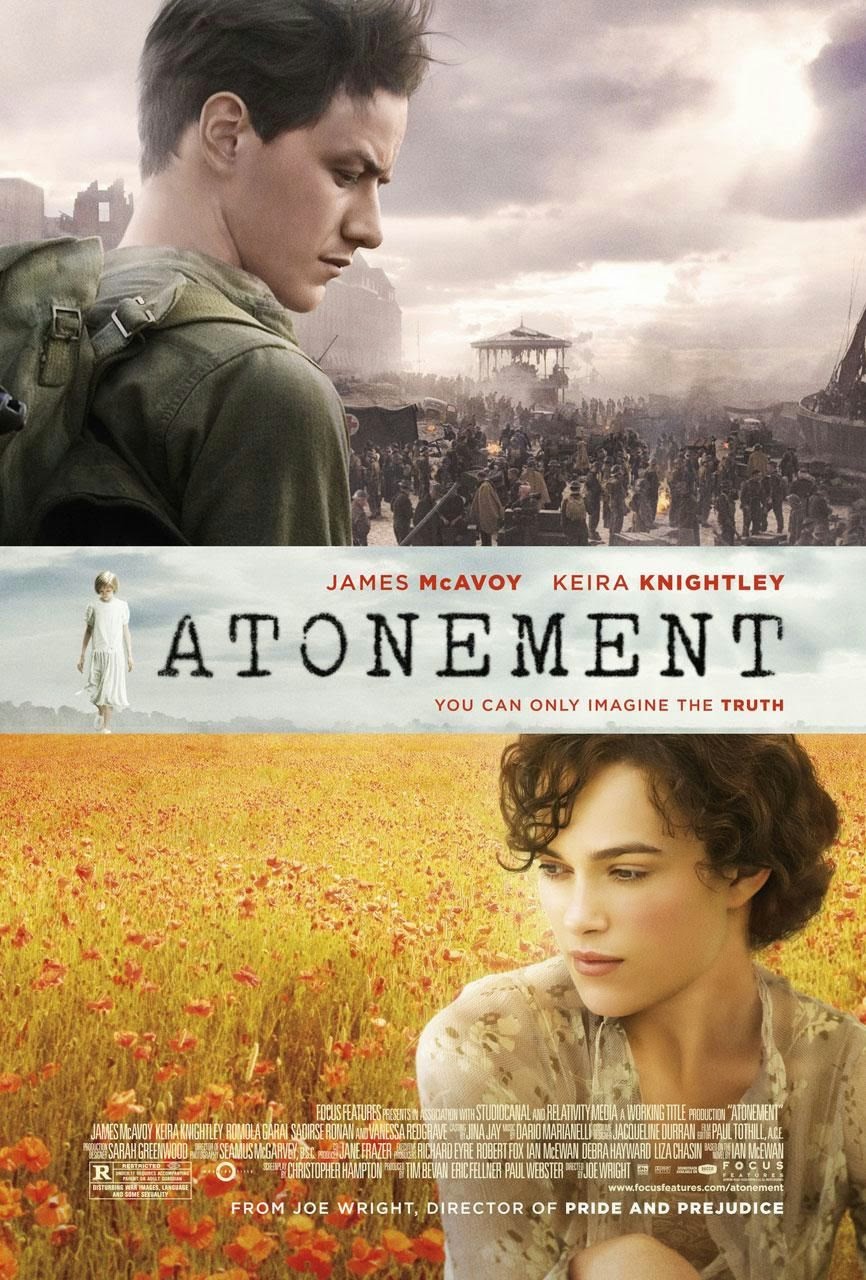
It would be useful if you could gather together a list of the most globally recognised a-list Hollywood stars (both male and female) and a list of some of the prominent films they have appeared in. If you can discuss, in your exam, how they were used during the marketing campaigns of the films they starred in, you will gain extra marks.
Please look at the following links to see who were the highest paid male and female actors of 2013. Finding out how much an actor was paid for a specific role is not too difficult - just type in the name of the star and the film and the word 'salary' - you will be surprised at some of the figures!
Stars are integral to the success of Hollywood movies for a number of reasons, and can be the difference between success and failure at the box-office for British films and low-budget independent American films. If a low budget British movie has a globally recognisable star involved then it stands a much better chance of attracting an audience - one of the most successful British films ever made, Notting Hill, owed a great deal of its success to the involvement of Julia Roberts (then the most successful female actor in the world).
Globally recognisable a-list stars help get a film made - their involvement is often key to raising the necessary finance for the film's production budget and the involvement of one star can create a domino effect, encouraging other stars to become involved in a project. 12 Years a Slave is a British film that benefited enormously from Brad Pitt joining the cast (and Pitt's production company Plan B Entertainment coming on board helped encourage other production companies to finance the film and, crucially, Fox Searchlight to pick the film up for distribution, despite the film's controversial subject matter). Pitt is barely in the film, with his appearance little more than a cameo - BUT he appeared in almost all of the marketing of the film (see the Italian poster for the movie below), helping raise the movie's profile ahead of its release.
Even more important than this is a star's influence in attracting an audience. Stars are certainly the most important reason why audiences choose to see films (whether this is because of their acting talent or simply because the audience finds them attractive) and a-list stars are often prominently featured in the marketing campaigns for movies. Their images and names are plastered all over posters and trailers and they feature heavily in interviews in the run-up to a film's release, in magazines and on TV chat shows.
The biggest a-list stars earn between $20-30 million per movie (for a big-budget Hollywood blockbuster) and the most globally recognisable actors can earn considerably more if they defer part of their salary and take a percentage of the film's gross. Male actors often earn more than their female counterparts - Johnny Depp earned a reported $58 million for Pirates of the Caribbean: On Stranger Tides whilst Scarlet Johansson will allegedly earn $20 million for the Avengers sequel.
One of the reasons that British films often struggle to compete with Hollywood movies is the absence of internationally recognisable stars. Many British actors only become globally recognised once they have appeared in Hollywood movies (for example Kiera Knightley, Ewan McGregor, James McAvoy). This can be beneficial for British movies - once the stars have become globally famous, any future British film they may star in will have a much better chance of box-office success.
It would be useful if you could gather together a list of the most globally recognised a-list Hollywood stars (both male and female) and a list of some of the prominent films they have appeared in. If you can discuss, in your exam, how they were used during the marketing campaigns of the films they starred in, you will gain extra marks.
Please look at the following links to see who were the highest paid male and female actors of 2013. Finding out how much an actor was paid for a specific role is not too difficult - just type in the name of the star and the film and the word 'salary' - you will be surprised at some of the figures!
Saturday, 15 March 2014
Basing Films on Existing Source Material
As part of almost any answer for Section A: Producers and Audiences on the FM2 paper, it is likely that you may equate Hollywood's success and dominance with the fact that the majority of films that are produced by the Studios are based on existing source material.


Films based on existing source material are seen as less of a risk because they become easier to market and the film's (or the brands) will already have an existing fanbase. Hollywood films are frequently based on novels (Harry Potter, Twighlight, The Hunger Games, The Notebook, Alice in Wonderland, The Hobbit, Divergent), TV shows (Sex and the City, Star Trek, The Simpsons, 21 Jump Street, Starsky and Hutch, Get Smart, Charlie's Angels, The A-Team), videogames (Need for Speed, Tomb Raider, Max Payne, Prince of Persia, Silent Hill, Hitman) comic books (The Dark Knight, Man of Steel, Fantastic Four, The Avengers, The Amazing Spiderman, Captain America, Thor: The Dark World), theatrical productions/musicals (Rock of Ages, Mamma Mia, Evita, Chicago, Les Miserables) and even games (The Lego Movie, G.I. Joe: Retaliation, Battleship, Transformers) and theme park rides (The Pirates of the Caribbean).
Quite aside from the potential these adaptations offer for creating a franchise, there are huge revenue streams to be created through merchandise (in many forms) from these movies - particularly as they are made by film companies owned by larger multimedia conglomerates.

Please click on the link below and read the article about plans to turn the incredibly popular HBO TV drama Game of Thrones into a movie (there is talk of a long-running film franchise). Time Warner own HBO, therefore owning the rights to the show. Making a film (or a series of films) of Game of Thrones makes perfect financial sense for Time Warner; they don't have to pay for the rights, there is an existing fanbase, the fantasy/action genre would perfectly suit the big screen and there are potentially huge revenue streams from merchandise.

Films based on existing source material are seen as less of a risk because they become easier to market and the film's (or the brands) will already have an existing fanbase. Hollywood films are frequently based on novels (Harry Potter, Twighlight, The Hunger Games, The Notebook, Alice in Wonderland, The Hobbit, Divergent), TV shows (Sex and the City, Star Trek, The Simpsons, 21 Jump Street, Starsky and Hutch, Get Smart, Charlie's Angels, The A-Team), videogames (Need for Speed, Tomb Raider, Max Payne, Prince of Persia, Silent Hill, Hitman) comic books (The Dark Knight, Man of Steel, Fantastic Four, The Avengers, The Amazing Spiderman, Captain America, Thor: The Dark World), theatrical productions/musicals (Rock of Ages, Mamma Mia, Evita, Chicago, Les Miserables) and even games (The Lego Movie, G.I. Joe: Retaliation, Battleship, Transformers) and theme park rides (The Pirates of the Caribbean).
Quite aside from the potential these adaptations offer for creating a franchise, there are huge revenue streams to be created through merchandise (in many forms) from these movies - particularly as they are made by film companies owned by larger multimedia conglomerates.
Please click on the link below and read the article about plans to turn the incredibly popular HBO TV drama Game of Thrones into a movie (there is talk of a long-running film franchise). Time Warner own HBO, therefore owning the rights to the show. Making a film (or a series of films) of Game of Thrones makes perfect financial sense for Time Warner; they don't have to pay for the rights, there is an existing fanbase, the fantasy/action genre would perfectly suit the big screen and there are potentially huge revenue streams from merchandise.
Friday, 14 March 2014
Marketing Hollywood Films - Posters
Below are a number of examples of posters for recent Hollywood films. As I pointed out in the previous post on British posters, Hollywood films use stars and genre to market their films. Having globally recognisable a-list stars in a film OR making a film that largely conforms to recognisable genre conventions makes the film much easier to market.


Feel free to choose any of the films below for your own case study on a big-budget Hollywood movie - I have included useful links where you can gather any necessary information.


 G.I. Joe: Retaliation (2013)
Wiki Site for G.I. Joe: Retaliation
Twitter Feed for G.I. Joe: Retaliation
Poster Campaign for G.I. Joe: Retaliation
 A Good Day to Die Hard (2013)
A Good Day to Die Hard - Official Website
Wiki Site for A Good Day to Die Hard
Facebook Link for the Die Hard Franchise
 Star Trek: Into Darkness (2013)
Feel free to choose any of the films below for your own case study on a big-budget Hollywood movie - I have included useful links where you can gather any necessary information.
As you can see, the poster for The Hunger Games: Catching Fire is dominated by the film's a-list star, Jennifer Lawrence. Typical of Hollywood productions, the film is part of a franchise and was based on existing source material (a series of best-selling novels) - both factors make it much easier to market the film as the brand has an existing fanbase. Look at the poster campaign link and you will see just how many different posters were produced for the film - big-budget Hollywood productions are able to produce a lengthy poster campaign to include teaser posters well in advance of the film's release and other posters at various different stages of the marketing campaign. Many of the posters feature different characters and are designed to appeal to the different demographics the film is targeting. Below is a teaser for the third film in the franchise (which will be split into two parts!) which is not due out until November 2014. It is enough that the poster just uses the logo of the mockingjay pin as audiences will instantly recognise it as being a prop from the film.
Again, Iron Man 3 is part of a long-running franchise and is based on existing source material (in this case, comic books). The film is also instantly recognisable as belonging to a genre (the currently popular superhero genre), which is referenced on the poster's mise-en-scene (costume, heroic pose, image of villain, action scenes in the background, love interest). The poster, typical of Hollywood productions, is dominated by images of the film's a-list stars (Robert Downey Jr and Gwyneth Paltrow) and the names of the stars feature prominently at the top of the poster. Typical of posters for large budget Hollywood genre blockbusters, there is reference to the fact that the film is also showing in 3D format at the IMAX. Check out the facebook page for the film and Tony Stark's Twitter feed - obviously social media and viral marketing are important for low-budget films (where they are almost a necessity) but these elements also form part of the marketing campaign for bigger budget Hollywood movies. If you look at the link for the poster campaign for the film, you will notice a number of teaser posters containing only the number 3 and an image of Iron Man - often films based on instantly recognisable source material or ones which are part of a franchise, are able to launch successful teaser campaigns well in advance of the movie's release, creating a huge buzz many months before the film comes out. These options are just simply not available to most low-budget British films.
Below are more posters (and links) for a number of mainstream, big-budget Hollywood films released over the last few years. Please look at the posters and choose some to use as examples in your exam. Don't forget to look at the links AND make sure you choose one of them for your case study!
Wiki Site for G.I. Joe: Retaliation
Twitter Feed for G.I. Joe: Retaliation
Poster Campaign for G.I. Joe: Retaliation
A Good Day to Die Hard - Official Website
Wiki Site for A Good Day to Die Hard
Facebook Link for the Die Hard Franchise
Star Trek: Into Darkness - Official Website
Wiki Site for Star Trek: Into Darkness
Facebook Page for Star Trek: Into Darkness
 The Lone Ranger (2013)
Wiki Site for The Lone Ranger
Poster Campaign for The Lone Ranger
Facebook Page for The Lone Ranger
The Lone Ranger - Official Website
 The Avengers (2012)
Wiki Site for The Avengers
The Avengers - Official Website
Facebook Page for The Avengers Franchise
Poster Campaign for The Avengers
Wiki Site for Star Trek: Into Darkness
Facebook Page for Star Trek: Into Darkness
Wiki Site for The Lone Ranger
Poster Campaign for The Lone Ranger
Facebook Page for The Lone Ranger
The Lone Ranger - Official Website
Wiki Site for The Avengers
The Avengers - Official Website
Facebook Page for The Avengers Franchise
Poster Campaign for The Avengers
Thursday, 13 March 2014
Marketing British Films - Posters
I have noticed that in many of your Section A: Producers and Audiences essays on the FM2 paper you are discussing posters as an important part of a film's marketing campaign BUT you need to replace vague statements with actual detailed examples.

It would be useful if you listed a number of British and Hollywood films and briefly analysed HOW the posters helped market the films. What is crucial here is that you make some kind of comparison between the different ways that posters are used for British and Hollywood movies - certain types of films are more reliant on quotations from reviews and awards, whilst others use stars and genre to sell the film to audiences.


It would be useful for you in the exam if you had at least two detailed examples of posters for British films and two detailed examples for Hollywood movies - feel free to use the examples on this post and the next one on Hollywood posters OR choose examples of your own. What is important is that you outline the different tactics used on the posters and the reasons why these tactics are used. An excellent site to use to find posters can be accessed by following this link:
Below are a number of posters for British films, with brief notes. Click on the thumbnails to see a larger version of the poster (this will make it much easier to analyse!) and make notes on the techniques used in the posters to attract audiences. I have also included links to various websites for each of the films in case you want to use one of the films for your own British case study.
Look out for a similar post on Hollywood movies, which I will put up shortly.


It would be useful if you listed a number of British and Hollywood films and briefly analysed HOW the posters helped market the films. What is crucial here is that you make some kind of comparison between the different ways that posters are used for British and Hollywood movies - certain types of films are more reliant on quotations from reviews and awards, whilst others use stars and genre to sell the film to audiences.
It would be useful for you in the exam if you had at least two detailed examples of posters for British films and two detailed examples for Hollywood movies - feel free to use the examples on this post and the next one on Hollywood posters OR choose examples of your own. What is important is that you outline the different tactics used on the posters and the reasons why these tactics are used. An excellent site to use to find posters can be accessed by following this link:
Below are a number of posters for British films, with brief notes. Click on the thumbnails to see a larger version of the poster (this will make it much easier to analyse!) and make notes on the techniques used in the posters to attract audiences. I have also included links to various websites for each of the films in case you want to use one of the films for your own British case study.
Look out for a similar post on Hollywood movies, which I will put up shortly.
A Field in England, released in 2013, is a British film without globally recognisable stars. Typical of many British films it is also difficult to classify in terms of genre. Therefore, the distributors have to use different techniques to encourage audiences to see the film - these include reference to other successful British films made by the same director and reviews (and star ratings) from mainstream film magazines (Empire and Total Film), respected directors and journalists. With a limited marketing budget, these elements can often be crucial in swaying an audience and persuading them to see the film. I recommend that you click on the Film4 link and read about the innovative release strategy that the film had - released simultaneously at cinemas, on TV, on blu-ray and DVD, and on video on demand.
Welcome to the Punch, released in 2013, also uses quotations from reviews to help market the film and makes reference to the producer to help sell the film (Ridley Scott is the well-known British director of Hollywood films including Gladiator, American Gangster, Thelma and Louise, Alien and Blade Runner and, even though he did not direct this film, he is significantly better known than the director Eran Creevy). Welcome to the Punch is a useful film to make reference to because unusually for a British film it includes at least one globally recognisable star (James McAvoy, whilst not exactly a-list, has starred in succesful Hollywood films including X-Men: First Class, Wanted and the globally successful British film Atonement) - significantly, he featured heavily in all of the marketing elements of the film and this highlights that a British film will stand a much better chance of reaching an audience if a it has a star attached. The film also belongs to a recognisable genre - the action movie. Belonging to a genre that audiences instantly recognise makes it much easier to market - notice that the distrubutors of the film have chosen a quote for the poster that explicitly references genre. Have a look at the dedicated Facebook page (the link is above) - this should indicate the importance of social media and viral marketing when it comes to promoting low-budget British films.
The posters for Alan Partridge: Alpha Papa, released in 2013, also use quotations from reviews BUT significantly foreground the importance of social media when it comes to promoting low-budget British films with a limited marketing budget. The second poster is entirely made up of tweets, whilst the third poster emphasises twitter and facebook links. Again, the film becomes easier to market because it belongs to a recognisable genre - comedy. As we have discussed before, many Hollywood movies are based on existing source material (which makes these films much easier to market because there is already a fanbase) - this film would have certainly benefited from being based on a well-known British comedy character (just look at the facebook link above to see the amount of likes the page got).
Why not look at the other posters for British films below - you will see similar patterns emerging in terms of the ways in which they are marketed.
Wiki Site for Four Lions
 Attack the Block (2011)
Wiki Site for Attack the Block
 Submarine (2010)
Wiki Site for Submarine
 Looking for Eric (2009)
Wiki Site for Looking for Eric
Wiki Site for Attack the Block
Wiki Site for Submarine
Wiki Site for Looking for Eric
Subscribe to:
Posts (Atom)